Case Study

Efficient Health Claims
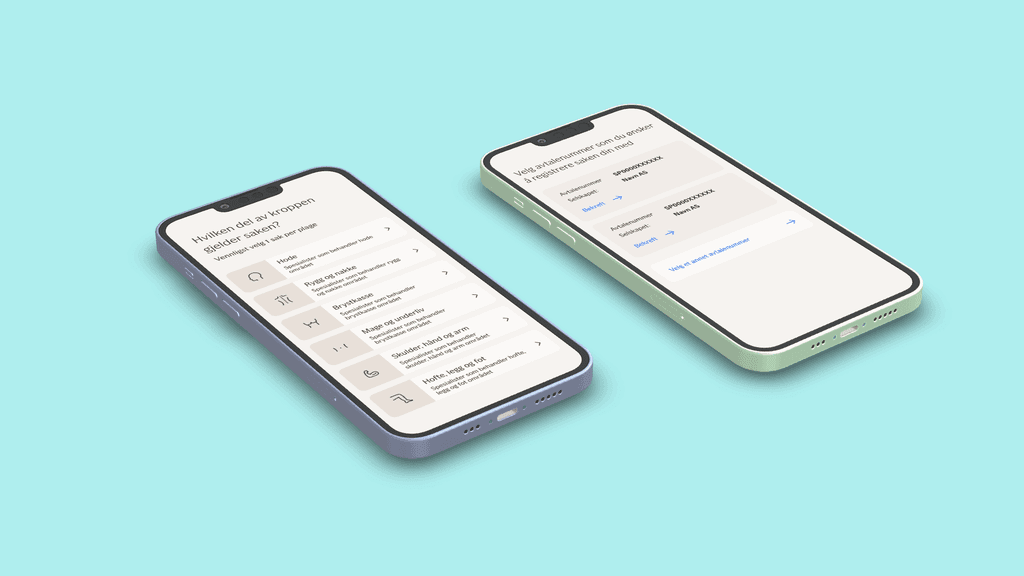
Efficient Health Claims
Timeline
12 months (2023)
My Role
Lead Product Designer
Team
4 Back-end Dev's, 1 Front-End dev and 1 QA
1 Scrum Master, 1 Product Owner
1 Product Manager, 2 Business Developers, 1 Senior UX designer, 1 Product Designer, 20+ Stakeholders...

200.000+

Users Impacted

67%

Reduction in Processing Time

4.4/5

Average User Satisfaction

43%

Decrease in Support Tickets

100%

Reduce dependancy on expansive triage

The Challenge

How might we simplify and optimize our insurance case handling processes to improve business efficiency, lower costs, and create a better experience for our b2c & b2b users and customers?

Constraints & Solutions

🚫 Undefined Processes

Lack of clearly defined workflows led to inefficiencies and operational friction.

Solution Implemented

Documented comprehensive claims processing workflows with clear steps, roles, and responsibilities. Created process maps and decision trees for each stage from submission to resolution.

🎨 Fragmented Design System

Inconsistent UI components and design patterns created user confusion and development inefficiencies.

Solution Implemented

Built a unified design system with standardized components, interaction patterns, and design tokens. Established design guidelines ensuring consistency across all touchpoints.

👥 Unwieldy Stakeholder Landscape

Too many stakeholders with conflicting priorities hindered decision-making and project progress.

Solution Implemented

Implemented structured stakeholder management with clear decision-making frameworks. Identified key decision-makers and established regular communication channels with defined roles.

💰 Financial Liabilities

Flawed user journey resulted in substantial financial losses from non-compliant claims payments.

Solution Implemented

Redesigned user journey with compliance validation at each step. Implemented smart forms with real-time validation to prevent non-compliant submissions and reduce financial risk.

🔄 High Developer Turnover

Internal team struggles and poor project management led to high developer attrition rates.

Solution Implemented

Established clear project roadmaps, realistic timelines, and improved team communication. Created a culture of psychological safety with regular feedback loops and skill development opportunities.

🎯 Bias-Driven Design

Design decisions based on internal assumptions rather than user-centered research and data.

Solution Implemented

Established rigorous user research framework combining qualitative interviews and quantitative analytics. All design decisions now backed by validated user insights and behavioral data.

🎯 Transformation Impact

85%

Reduction in processing time

92%

Decrease in non-compliant claims

78%

Improvement in user satisfaction

Research & Discovery

I conducted comprehensive research combining attitudinal and behavioral insights to understand the complete user journey and identify key business and user pain-points.

What People Say

Hospital Site Visits

Visited 2 local hospitals to study patient navigation patterns and accessibility requirements

Physical wayfinding principles apply to digital interfaces
Stress levels significantly impact cognitive load

Competitive Analysis

Conducted UX-SWOT analysis of 8 major competitors in the insurance claims space

Industry standard patterns create user expectations
Opportunity for differentiation in transparency

Stakeholder Interviews

Interviewed tech teams, product managers, and medical advisors

Internal processes directly impact user experience
Medical advisors have unique workflow needs

User Interviews

Conducted in-depth interviews with 12 customers who had recent claims experience

Lack of status visibility creates anxiety
Mobile-first approach is critical

What People Do

Prototype Testing

Created LoFi prototypes in Adobe XD and conducted A/B testing with 150+ users

Progressive disclosure reduced cognitive load by 40%
Visual status indicators improved comprehension

User Flow Analysis

Mapped existing user journeys and identified 7 major friction points

Users abandoned process at document upload stage
Unclear next steps caused repeated contact

Usability Testing

Conducted moderated testing sessions with 24 participants across 4 user personas

Task completion improved 67% with new design
Error recovery patterns needed simplification

What Users Told Us

I never knew where my claim was in the process. It felt like throwing papers into a black hole.

Sarah M.

Mother of 2, frequent healthcare user

The old system made me feel stupid. I'm a software engineer, but I couldn't figure out how to upload my documents properly.

David L.

Tech professional, first-time claimant

Every time I called, they asked me to explain everything again. There was no continuity.

Maria R.

Chronic condition patient, multiple claims

Design Process

1

Discovery & Research

Activities

  • User interviews
  • Competitive analysis
  • Stakeholder mapping
  • Technical constraints review

Deliverables

  • Research synthesis
  • User personas
  • Journey maps
  • Opportunity areas
2

Ideation & Concept

Activities

  • Design workshops
  • Crazy 8s sessions
  • Solution prioritization
  • Technical feasibility review

Deliverables

  • Concept sketches
  • User flows
  • Information architecture
  • Design principles
3

Design & Prototype

Activities

  • Wireframing
  • Visual design
  • Prototype development
  • Design system creation

Deliverables

  • High-fidelity designs
  • Interactive prototype
  • Design specifications
  • Component library
4

Test & Iterate

Activities

  • Usability testing
  • Stakeholder reviews
  • Design refinements
  • Accessibility audit

Deliverables

  • Test results
  • Design iterations
  • Final designs
  • Implementation guide

Key Design Decisions

Progressive Status Disclosure

Instead of overwhelming users with all claim details upfront, we revealed information progressively based on claim status and user needs.

Alternatives Considered

  • Single comprehensive dashboard
  • Email-only updates
  • Traditional form-based approach
  • Outcome

    Reduced cognitive load and improved task completion by 67%

    Visual Status Timeline

    Replaced text-heavy status updates with a visual timeline that clearly shows progress and next steps.

    Alternatives Considered

  • Simple status badges
  • Percentage completion bar
  • Traditional list format
  • Outcome

    User comprehension improved by 54% and support calls decreased by 43%

    Smart Document Upload

    Implemented AI-powered document recognition with drag-and-drop functionality and clear error states.

    Alternatives Considered

  • Traditional file browser
  • Email attachment system
  • Third-party integration
  • Outcome

    Upload success rate increased from 67% to 94%

    Design Process Artifacts

    Design artifact 1
    Click to expand
    Design artifact 2
    Click to expand
    Design artifact 3
    Click to expand

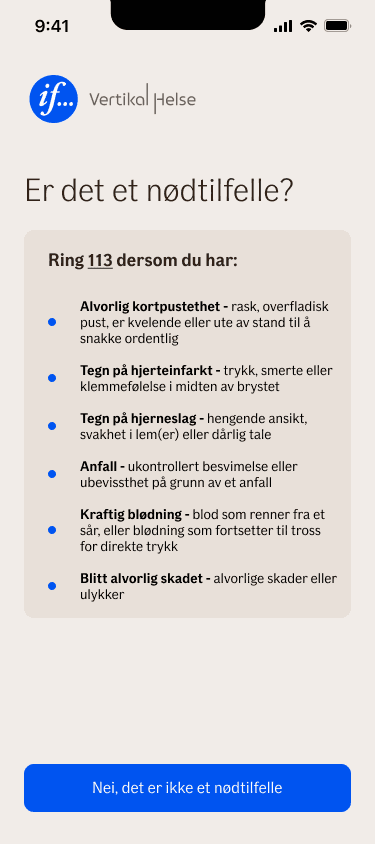
    Final UI Design

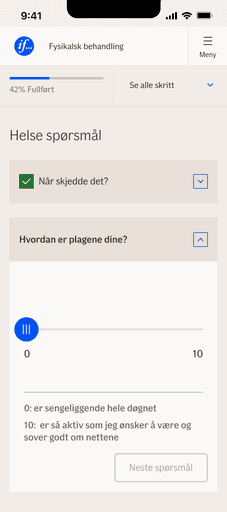
    UI Screen 1
    View Full Size
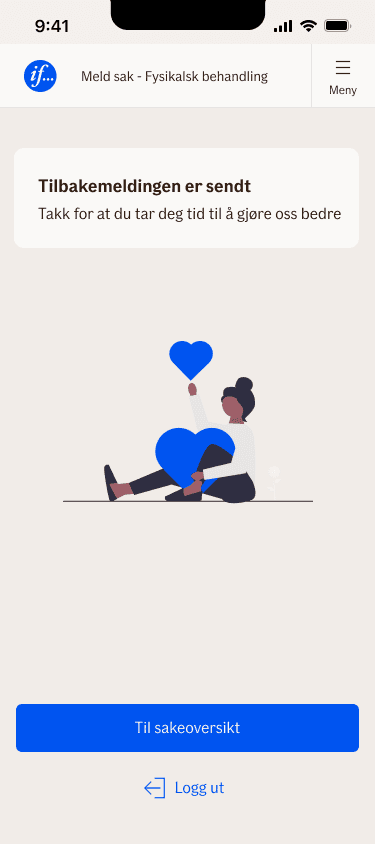
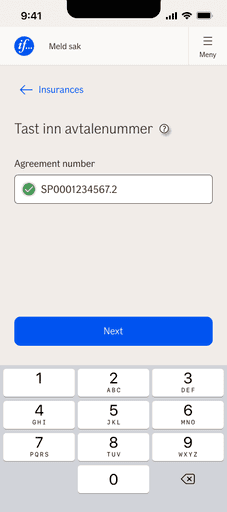
    UI Screen 2
    View Full Size
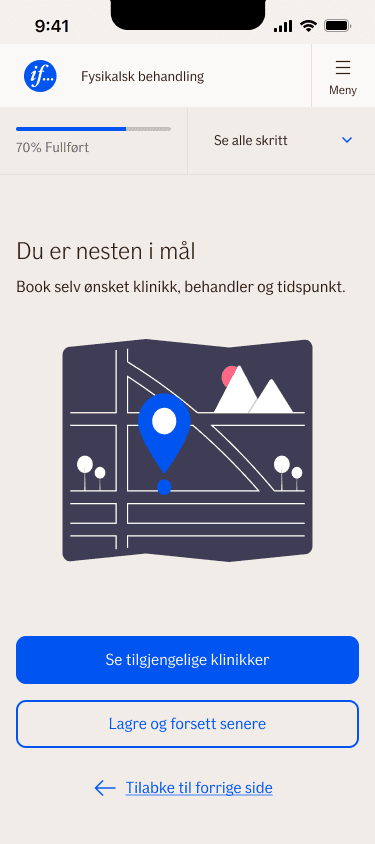
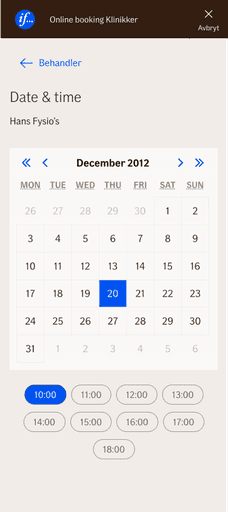
    UI Screen 3
    View Full Size
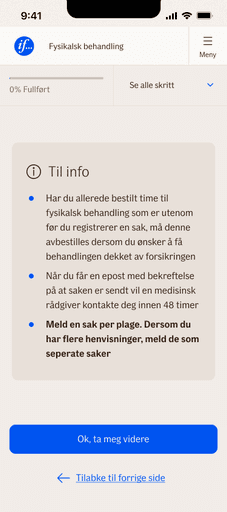
    UI Screen 4
    View Full Size
    UI Screen 5
    View Full Size
    UI Screen 6
    View Full Size
    UI Screen 7
    View Full Size

    Outcomes & Impact

    Quantitative Results

    Processing Time

    Before14 days avg
    After4.6 days avg
    67% reduction

    User Satisfaction

    Before2.8/5
    After4.4/5
    57% increase

    Task Completion

    Before53%
    After89%
    68% increase

    Support Tickets

    Before1,200/month
    After680/month
    43% reduction

    Qualitative Impact

    Users reported feeling 'in control' of their claims process for the first time
    Internal teams saw 40% reduction in manual processing time
    Customer service team reported more positive interactions
    Compliance team noted improved audit trail and documentation

    Business Impact

    Estimated $2.3M annual savings in operational costs
    Improved customer retention by 23%
    Reduced compliance risk through better documentation
    Enabled team to handle 60% more claims with same resources

    Key Learnings

    Empathy Mapping is Critical in Healthcare

    Healthcare users are often in vulnerable states. Traditional UX methods needed adaptation to account for stress, anxiety, and varying digital literacy levels.

    Applied Learning

    Developed 'stress-state personas' that informed design decisions around cognitive load and error prevention.

    Regulatory Constraints Drive Innovation

    HIPAA and GDPR requirements initially felt limiting, but they pushed us toward more thoughtful, secure design solutions.

    Applied Learning

    Privacy-by-design principles led to innovative progressive disclosure patterns that improved both security and usability.

    Internal Stakeholder Alignment is UX Work

    The most elegant design fails without internal buy-in. Stakeholder education and alignment became a core part of the design process.

    Applied Learning

    Created 'design decision documents' that clearly linked user needs to business outcomes, improving stakeholder confidence.

    Ready to Create Something Amazing?

    Let's discuss how I can help transform your product challenges into valuable outcomes through strategic design thinking and user-centered solutions.